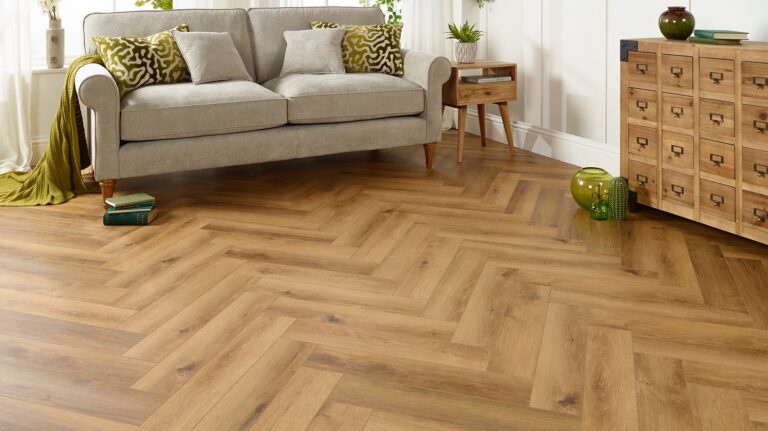
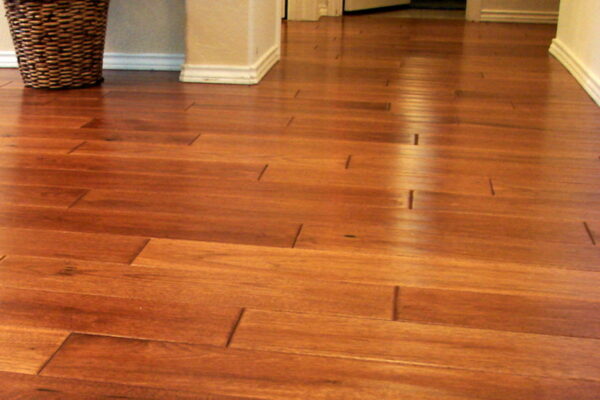
Stand on both and you can't tell the difference - engineered and solid hardwood have the identical real-wood surface. The difference is underneath, and it decides where each one can go and how long it lasts. Here's the plain-English version.
Stability Is Engineered's Superpower
Wood moves with moisture - that's physics. Engineered hardwood's cross-layered plywood core resists that movement, so it stays flatter through humid Memphis summers and the dry indoor heat of Dallas winters. It's also the only real-wood option we recommend directly over concrete slabs, which most Texas homes are built on.
Where Solid Hardwood Still Wins
Solid hardwood's advantage is longevity. A 3/4-inch solid floor can be sanded and refinished many times over a century - it's not unusual for us to refinish 80-year-old solid floors back to perfect. If you're on a pier-and-beam or wood subfloor and thinking in decades, solid is a wonderful investment. Explore both on our hardwood flooring and engineered hardwood pages.
We'll check your subfloor and tell you which fits your home.
Schedule a free estimateThe Quick Answer
Slab foundation, basement, or big humidity swings? Engineered. Wood subfloor and a forever-home mindset? Solid earns its keep. Either way, the surface you see and walk on is genuine hardwood - the right choice depends on what's under your house, not just what you like in a photo.